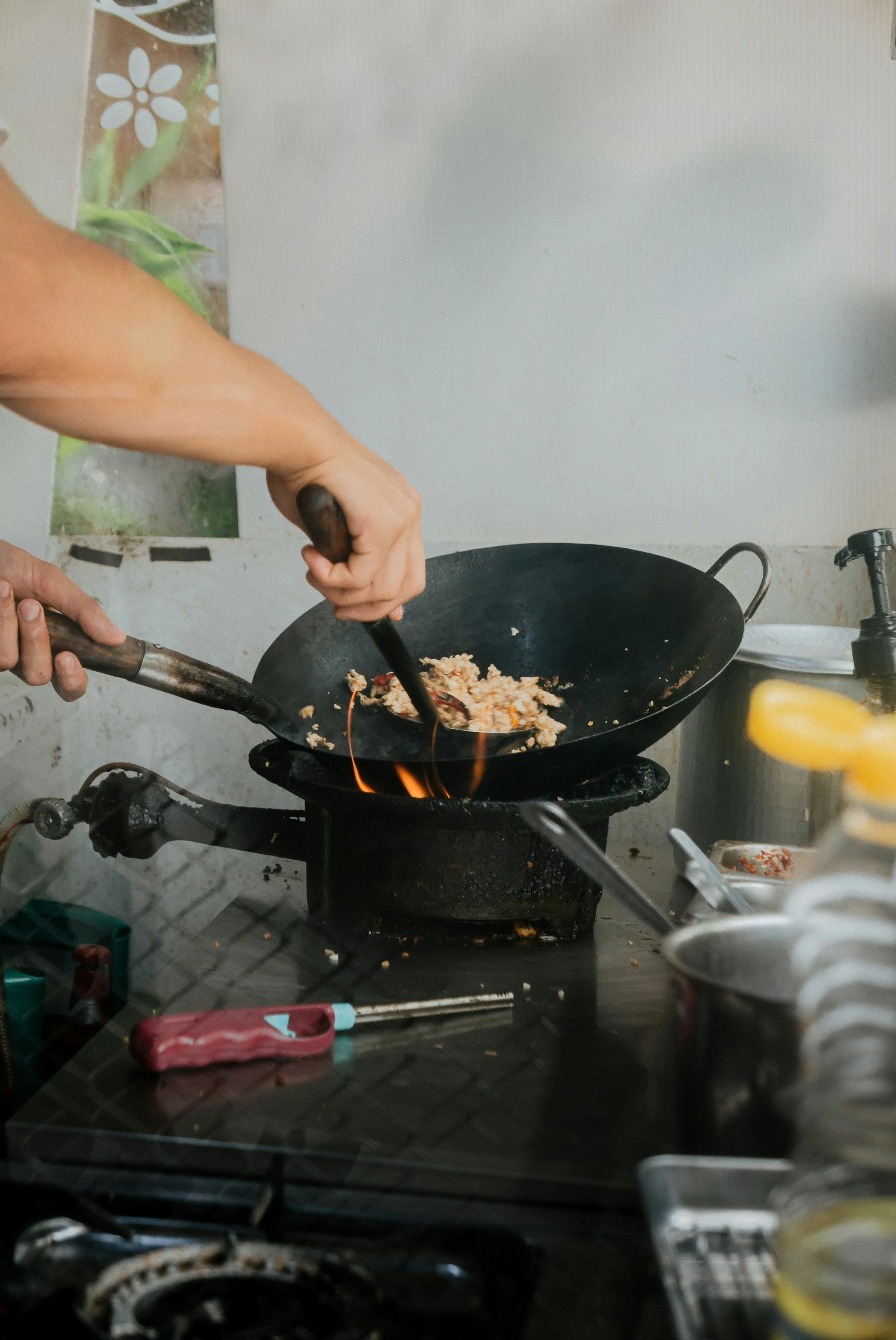
Everything you need to know to keep an iron pan
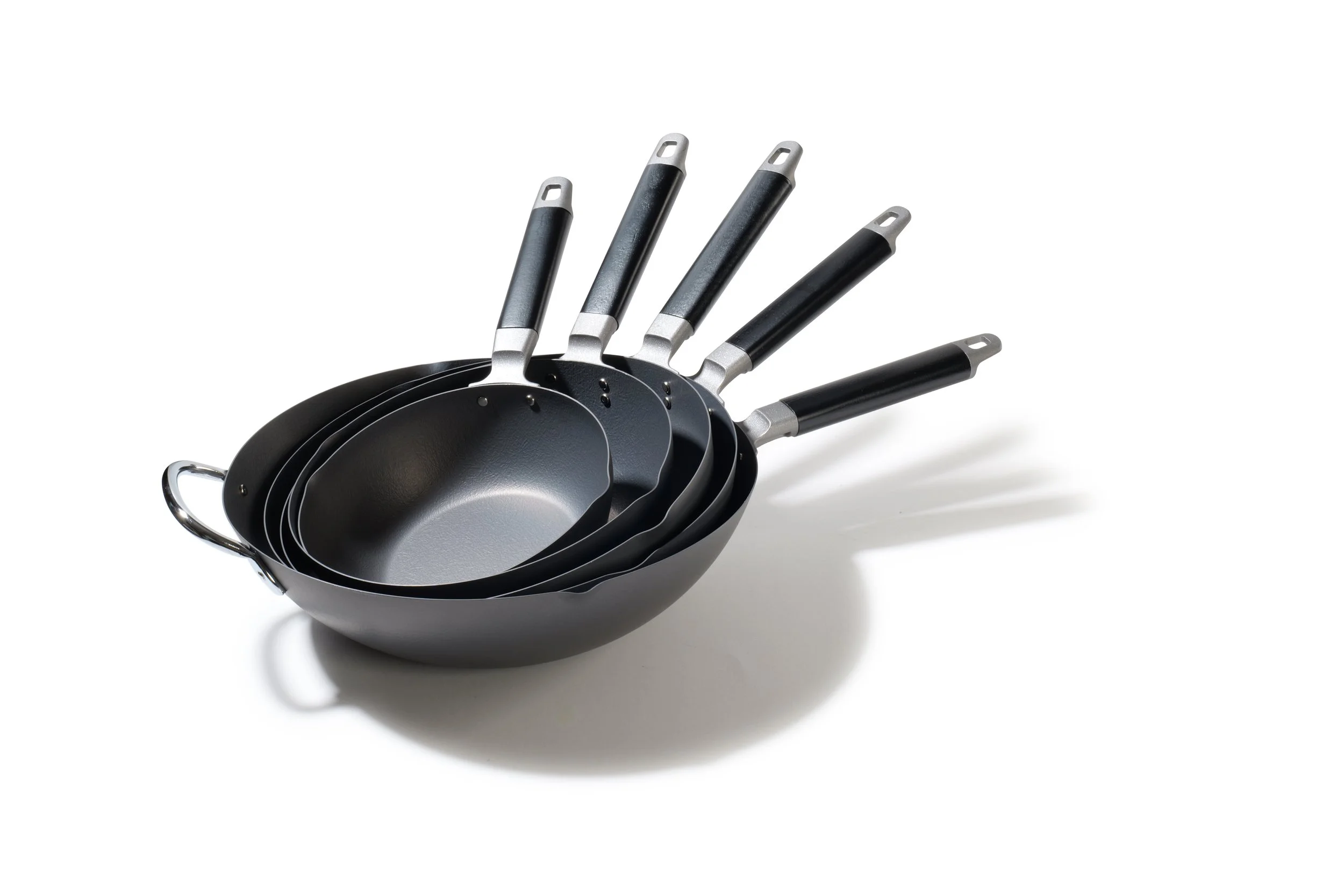
The Complete Iron Pan Care Guide: Rust, Seasoning, and a Lifetime of Use
Everything you need to know to keep an iron pan rust-free, naturally non-stick, and cooking better every year — not just every meal.
An iron pan is one of the few kitchen tools that genuinely improves with age. It isn't fragile, and it doesn't need to be treated delicately — but it does have one real enemy: moisture. Understand that single fact, and everything else about iron pan care falls into place.
This guide covers the three things that matter most: how to season a pan properly, how to clean it without undoing that work, and how to handle rust if it ever shows up. Whether you're breaking in a new Pearl Life iron wok or reviving one that's been sitting in a cupboard, the process is the same.
Why iron pans rust — and why that's not a flaw
Iron reacts with oxygen and water to form rust. It's a basic chemical fact, not a manufacturing defect. The reason cast and carbon iron pans have survived for centuries in kitchens around the world isn't because they resist rust on their own — it's because a thin layer of polymerized oil, called seasoning, sits on top of the metal and keeps moisture from ever reaching it.
Seasoning isn't a coating that sits on the pan. It's a chemical transformation — oil heated past its smoke point bonds to the metal surface and becomes part of the pan itself.
This is also why iron pans behave so differently from non-stick coated pans. Teflon and ceramic coatings are applied once, in a factory, and they degrade with every use. Seasoning works in the opposite direction — it builds with every use, as long as you treat the pan correctly. A well-seasoned iron pan doesn't wear out. It gets better.
Seasoning a new pan (or restoring an old one)
Some iron pans — including most Pearl Life iron and Nitrocraft cookware — come pre-treated with nitriding or factory seasoning, so they're ready to use sooner. But if you're starting with a bare pan, or re-seasoning one that's lost its coating, here's the process:
Wash and dry completely
Use hot water and a little mild soap to remove any factory residue. Dry thoroughly — then place it on the stove over low heat for a few minutes to evaporate any moisture hiding in the pores of the metal.
Apply a thin layer of oil
While the pan is still warm, rub a high smoke-point oil (grapeseed, canola, or vegetable oil all work well) over the entire surface — inside, outside, and handle. Use a paper towel or cloth.
Wipe off the excess
This is the step people skip, and it matters most. The pan should look almost dry, not glossy or wet. A thick layer of oil won't polymerize properly — it just turns sticky.
Heat until it smokes lightly, then cool
On the stovetop or in a 350–400°F oven, heat the pan until the oil stops smoking and the surface darkens slightly. Let it cool completely before the next layer.
Repeat 1–2 more times
Each layer builds on the last. By the second or third round, the surface should look matte black or deep brown, not raw grey metal.
Daily care: the habit that makes everything else unnecessary
Once a pan is seasoned, the goal is simple: cook, clean, dry, oil, repeat. That four-step rhythm is the entire secret to a pan that lasts generations.
- Clean while the pan is still warm — food releases more easily
- Use hot water and a stiff brush or non-abrasive sponge
- Use coarse salt as a gentle scrub for stuck-on food
- Dry immediately and completely — a few minutes on low heat works well
- Apply a very thin layer of oil before storing
- Re-season once or twice a year, or whenever the surface looks dull
- Leave the pan soaking in the sink
- Put it in the dishwasher
- Use heavy soap or harsh scrubbing as a default habit
- Store it while still slightly damp
- Stack pans directly on top of each other without a paper towel between them
- Cook acidic dishes (tomato sauce, wine reductions, citrus) for long periods
A note on tomatoes and acidic cooking
You don't need to avoid tomato-based dishes entirely — a quick sauté is fine. But a long-simmered tomato sauce can slowly strip seasoning, especially on a pan that's still building up its layers. If you do cook something acidic for an extended time, just plan to re-oil the pan afterward.
If rust does happen
Surface rust looks alarming, but it's almost always fixable — usually in less than 30 minutes.
Scrub the rust away
Use steel wool, a stiff brush, or a paste of baking soda and water. Focus only on the rusted areas — there's no need to strip the whole pan.
Rinse and dry completely
Then place the pan on the stove over low heat for a few minutes to make sure every trace of moisture is gone.
Re-season the affected area
Follow the same oil-and-heat process from the seasoning steps above. One or two rounds is usually enough to restore the surface.
Rust is not a sign that the pan is ruined — it's almost always surface-level and a normal part of owning iron cookware. Even pans that have rusted significantly can usually be restored with patience.
Common questions
Why is my food sticking even though the pan is seasoned?
The most common cause is a cold pan. Iron needs time to come up to temperature — preheat for 5–7 minutes before adding food, and test readiness with a drop of water; it should sizzle and evaporate instantly.
Can I use soap?
Yes. A small amount of mild dish soap is fine for cleaning — it won't strip a properly built-up seasoning layer. What actually damages seasoning is harsh scrubbing or letting the pan soak.
How often should I re-season?
Most home cooks find once or twice a year is enough for a pan in regular use. If the surface starts looking dry, dull, or grey in patches, that's the signal to add another layer.
Is nitrided iron cookware different to care for?
Nitriding treats the iron surface itself to resist rust and reduce sticking from the start, so there's less dependence on a thick seasoning buildup. Daily care is still the same — clean, dry, light oil — but the margin for error is more forgiving.
Can I leave food in the pan overnight?
It's best not to. Acidic or salty food left sitting can wear down seasoning faster than normal cooking. Transfer leftovers to another container, then clean and dry the pan as usual.
An iron pan asks very little of you — dry it, oil it lightly, and use it often. In return, it becomes one of the only things in the kitchen that gets more valuable with time instead of less. Treat it well, and it's the kind of pan you eventually pass down rather than replace.
Looking for an iron pan that starts you off ahead? Pearl Life's Nitrocraft series comes nitride-treated for built-in rust and stick resistance from day one.
Explore Iron Cookware →