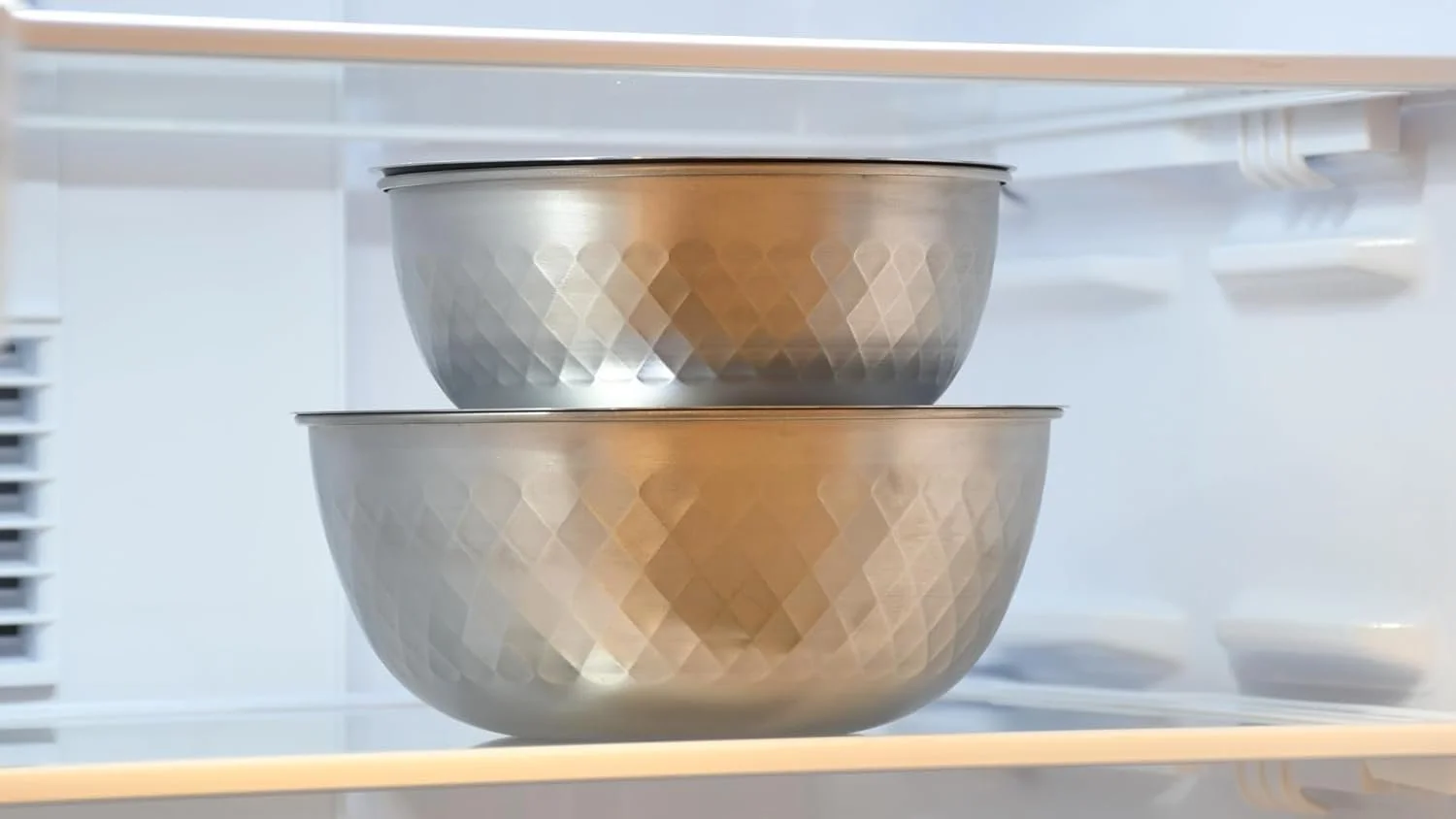
Beyond Stainless: The Science Behind Ginza Cookware
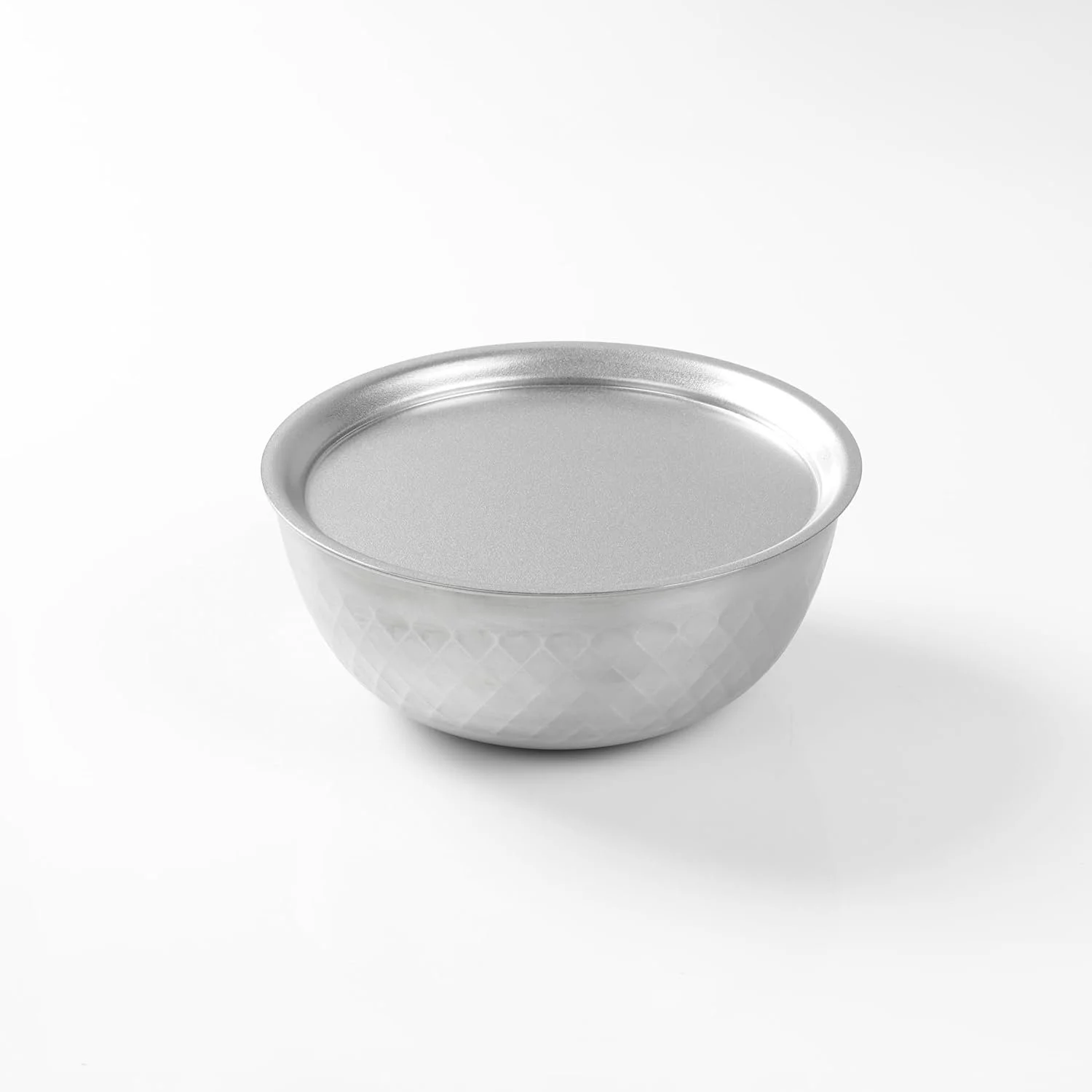
Beyond Stainless: The Science Behind Ginza Cookware
Why we chose NSSC FW2 — a first-of-its-kind alloy from Nippon Steel — and what it means for durability, safety, and sustainability.
When buyers evaluate cookware, the conversation usually starts with design, price point, and end-user appeal. The alloy underneath rarely comes up. But for the Ginza Stainless series, the material choice is the story — and it's one worth telling.
Ginza cookware is made from NSSC FW2, a high-purity ferritic stainless steel developed by Nippon Steel Corporation. It is the world's first stainless steel with tin (Sn) addition — a proprietary technology that took Nippon Steel over a decade to bring to market, and has since earned three major Japanese industry awards.
"The world's first tin-added stainless steel — engineered to do more with less."
What makes NSSC FW2 different
Standard stainless steel — the kind used in most cookware globally — is austenitic grade 304, containing roughly 18% chromium and 8% nickel. Both are rare earth metals whose prices fluctuate significantly with global supply chains. NSSC FW2 takes a fundamentally different approach.
Instead of relying on high concentrations of rare metals to achieve corrosion resistance, FW2 introduces a small amount of tin (Sn) at the alloying stage. Tin molecules adsorb to the steel surface, forming a protective layer that resists corrosion even in salt-water environments — without requiring nickel or molybdenum at all.
Three reasons this matters for buyers
1. Nickel-free — a genuine differentiator at shelf level
Nickel allergy affects an estimated 10–15% of the population in Western markets, with higher rates among women. As awareness grows, nickel-free cookware is moving from a niche category to a mainstream expectation in health-conscious retail segments — particularly in Germany, Scandinavia, and the UK.
Because FW2 contains no nickel by design, Ginza cookware can be accurately marketed as nickel-free. This is not a coating or a finish — it is the base material. For buyers building ranges around health and wellness positioning, this is a factual, verifiable claim.
2. Corrosion resistance that holds over time
The tin-addition mechanism in FW2 works differently from the passive oxide layer in standard stainless. Even under prolonged exposure to salt, acids, or humidity, the Sn-derived protective layer remains active. In practical terms, this means Ginza pieces maintain their surface integrity through years of kitchen use — including dishwasher cycles and acidic ingredients that degrade lesser alloys.
This is the basis of the "lasts a lifetime" positioning that resonates with the premium housewares segment and aligns with growing consumer demand for buy-once, keep-forever products.
3. Sustainability with a supply chain argument
FW2 reduces rare metal consumption by up to 35% compared to SUS304. For buyers whose retail partners or own-brand standards include environmental criteria, this is a concrete, documentable reduction in resource intensity — not a claim that requires interpretation.
Nickel mining is energy-intensive and geographically concentrated. Removing it from the alloy reduces both the carbon footprint of raw material processing and exposure to supply chain disruption. In an era when procurement teams are increasingly required to document material provenance, FW2 offers a straightforward answer.
The technology behind it
NSSC FW2 was developed by Nippon Steel Corporation — Japan's largest steelmaker — through over a decade of research into tin's behavior as a surface-active element in iron alloys. The core insight: tin atoms preferentially migrate to the steel surface during corrosive exposure, where they suppress the formation of rust nuclei at a molecular level.
This is categorically different from anti-rust coatings or surface treatments. The protection is intrinsic to the metal itself and does not degrade over time the way applied finishes do.
What this means for Ginza cookware in your range
Material quality is difficult to communicate at point of sale — but it underpins every claim a product can credibly make. For Ginza cookware, the FW2 alloy provides a foundation for three clear retail narratives: long-lasting, nickel-free, and responsibly made. All three are factual, verifiable, and increasingly relevant to end-consumers in premium and health-conscious channels.
For buyers building differentiated ranges, this is the kind of material story that separates a product from commodity stainless — with documentation to back it up.