A Beginner’s Guide for Making Japanese Rolled Omelette at Home
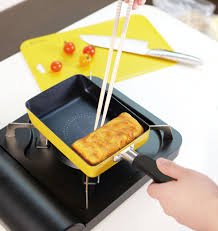
If you’ve ever seen a beautiful Japanese rolled omelette—tamagoyaki—you probably noticed its perfect layers and clean rectangular shape. Unlike Western omelets, tamagoyaki is made by cooking thin layers of egg and rolling them one by one into a delicate block.
And here’s the secret:
👉 the pan you use makes a big difference.
This guide will help you choose the right tamagoyaki pan—especially if you’re trying it for the first time.
1. Do You Really Need a Tamagoyaki Pan?
Short answer: No—but it helps a lot.
You can make tamagoyaki in a regular frying pan. In fact, many beginners start that way.
But a rectangular pan makes it much easier to:
Roll evenly
Create clean layers
Shape the omelette into a neat block
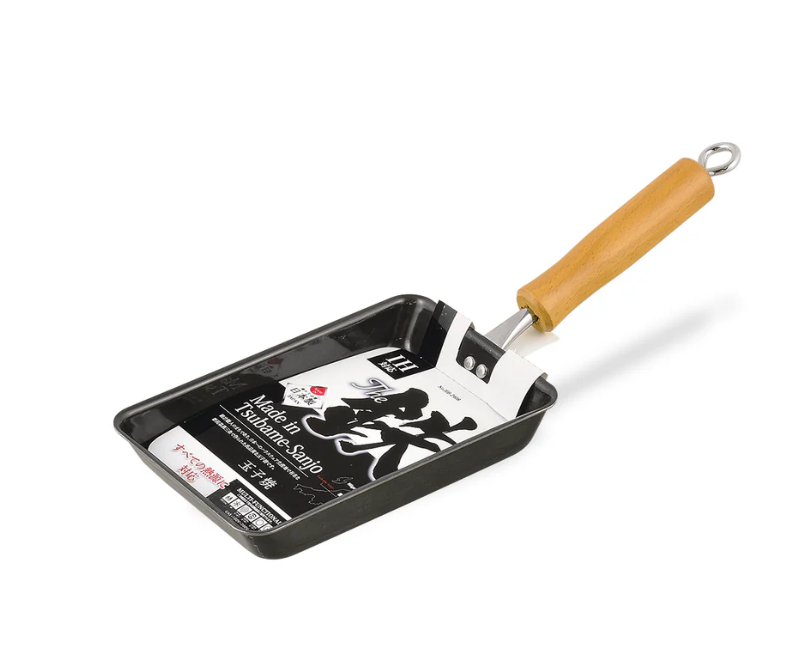
That’s why Japanese kitchens use a dedicated pan called a tamagoyaki pan (or makiyakinabe).
2. The Most Important Feature: Shape
All tamagoyaki pans are rectangular, but there are a few variations:
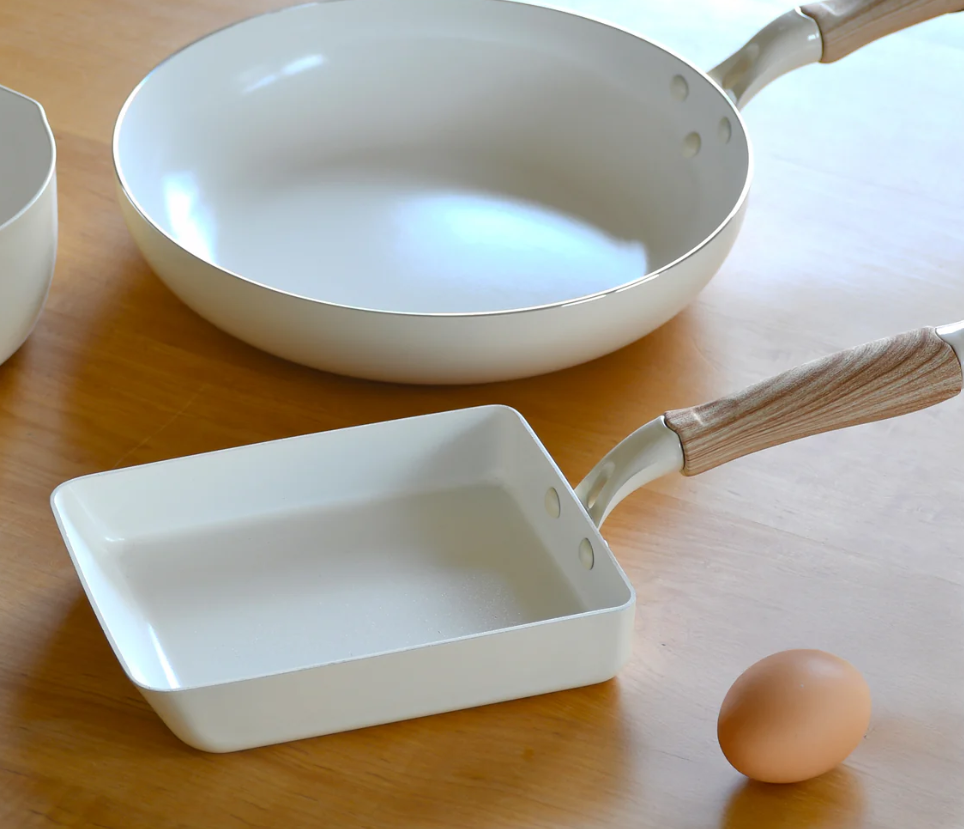
Square (Kanto style) → thicker, sushi-style omelette
Tall & narrow (Kansai style) → layered, fluffy rolls
Wide rectangle (Nagoya style) → flatter, easier for beginners
👉 Beginner tip:
Start with a wide rectangular pan — it’s the easiest to control.
3. Best Material for Beginners
Tamagoyaki pans come in several materials, and this matters more than you think.
🥇 Nonstick (Best for beginners)
Easy to roll
Less sticking
Simple cleanup
👉 Recommended for first-time users
🥈 Iron (Traditional choice)
Excellent heat retention
Better flavor development
Long-lasting
⚠️ Requires seasoning and care
🥉 Copper (Professional level)
Extremely precise heat control
Used by sushi chefs
⚠️ Expensive and requires skill
👉 Simple advice:
Start with nonstick, then upgrade to iron when you’re comfortable.
4. Size Matters More Than You Think
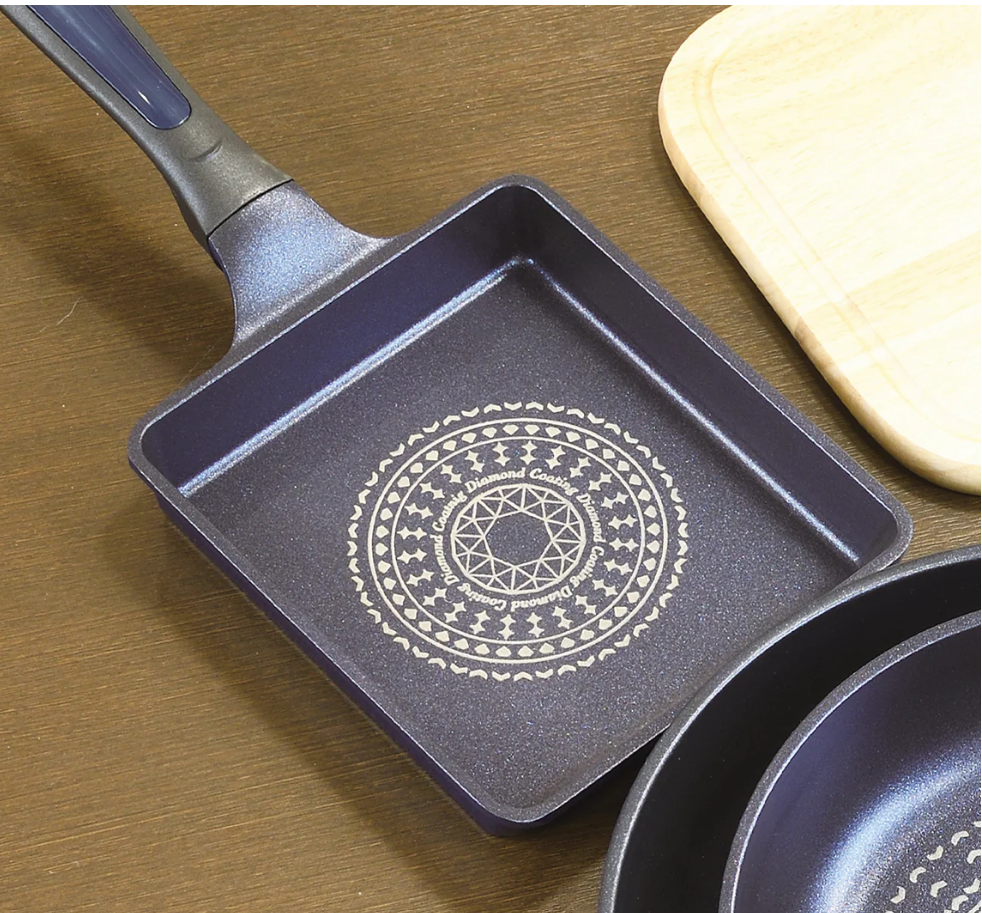
Typical sizes:
Small → 1–2 eggs (great for practice)
Medium → 2–3 eggs (most common)
Large → family size
👉 Best choice:
A medium pan is the most versatile and beginner-friendly.
5. Look for These Key Details
When choosing your pan, check for:
✔️ Slightly sloped edges → easier rolling
✔️ Flat corners → clean shape
✔️ Comfortable handle → better control
✔️ Even heat distribution → prevents burning
These small features make a big difference when learning the rolling technique.
6. Why Americans Are Starting to Love Tamagoyaki
Tamagoyaki is becoming popular outside Japan because it fits modern cooking trends:
Simple ingredients (just eggs + seasoning)
High-protein breakfast
Instagram-friendly presentation
Versatile (sweet or savory)
Plus, once you learn the technique, it’s surprisingly fun.
7. Final Tip: Don’t Overthink It
If you’re just getting started:
👉 Use what you have
👉 Try a small batch
👉 Then upgrade your pan
Because at the end of the day—
tamagoyaki is just eggs… with a little technique and the right tool.
Ready to Try?
With the right pan, making tamagoyaki becomes easier, more consistent, and way more enjoyable.
Whether you’re cooking breakfast, packing a bento, or trying something new—
this simple Japanese dish is a perfect place to start.