
The Ultimate Guide to Woks: What They Are, How to Use Them, and How to Choose the Best One
Woks have been a staple in Asian cooking for centuries, but their versatility makes them a fantastic addition to any kitchen. From stir-frying to steaming, the uses for a wok are endless! Whether you're a seasoned chef or a cooking beginner, understanding what woks are, how to use them, and how to choose the best one can elevate your culinary skills. In this guide, we’ll explore everything you need to know about woks, including the different types available, tips for usage, and specific recommendations for the best woks on the market today.
What Is a Wok?
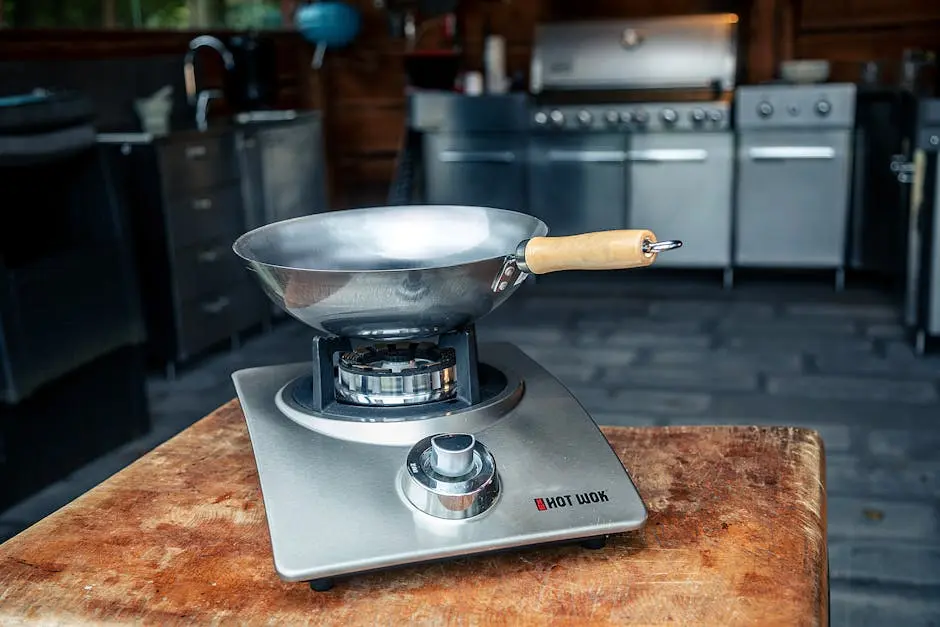
A wok is a versatile cooking vessel originating from China, characterized by its round bottom and high sides. This design allows for even heat distribution and excellent heat retention, making it ideal for various cooking methods, including stir-frying, steaming, and deep-frying.
In the modern kitchen, the charm of a wok transcends regional cooking. Many chefs and home cooks alike have welcomed the wok into their repertoire for its ability to handle high temperatures while preserving the integrity of ingredients. The round bottom creates a unique cooking environment that helps in quick cooking; ingredients are tossed around, ensuring they are seared but not overcooked.
Interestingly, beyond its traditional uses, the wok can be transformed into a culinary jack-of-all-trades. You can use it for slow-cooking soups or noodles; the space created by the high sides allows for ample room to work with multiple ingredients simultaneously, which is perfect for one-pot meals.
Types of Woks: Finding Your Perfect Fit
Woks come in various materials, including carbon steel, cast iron, and non-stick options. Each material has its own benefits. For instance, carbon steel woks heat up quickly and are perfect for high-heat cooking. In contrast, non-stick woks are useful for easy cleaning and lighter dishes.
Carbon steel is favored by many cooking enthusiasts because it develops a natural non-stick surface with proper seasoning. This attribute improves with age, allowing you to build flavors over time. Alternatively, cast iron woks are renowned for their heat retention—a must-have for deep-frying or if you enjoy dishes that require a consistent temperature.
But let's not overlook the newer innovations in cookware—the nitride-coated woks, like the Pearl Wok, which combines the benefits of traditional materials with a modern twist. They are exceptionally rust-resistant and easy to maintain. This option is particularly appealing for those new to cooking or looking for less maintenance without sacrificing quality.
How to Use a Wok Like a Pro
Using a wok effectively requires some practice. Key techniques include the stir-fry method, where ingredients are tossed quickly over high heat, allowing them to cook evenly. Additionally, preheating the wok and using the right oil can make all the difference in achieving that perfect sear and flavor.
Start by preheating the wok until it’s hot—don’t skip this step! A hot wok will ensure that your ingredients sizzle instead of steam, maintaining their vibrant colors and crunch. Once preheated, add cooking oil, and let it shimmer before introducing your ingredients. This is the sweet spot that allows your proteins and vegetables to develop a beautiful caramelization.
When stir-frying, it's essential to keep the motion going. Tossing and stirring with a spatula or a wok turner not only helps to cook the food uniformly but also gives you that authentic restaurant-style stir fry. Plus, it can be quite fun to do! Don't forget to add your aromatics early to release their flavors into the hot oil.
Maintaining Your Wok for Longevity
Proper care is essential to prolong the life of your wok. This includes seasoning it if it's made of carbon steel, always cleaning it without soap, and storing it in a dry place. With the right maintenance, your wok can last for many years and enhance your cooking experience.
For carbon steel woks, seasoning is a crucial step. The aim is to create a durable, non-stick surface. Simply heat the wok, apply a thin layer of oil, and let it smoke a bit. After cooling, wipe it down, and you're set! For nitride-coated woks, such as the Pearl Wok, seasoning isn't necessary, and you can dive right into cooking.
When cleaning, the rule of thumb is simple—no harsh soaps or scouring pads. Hot water and a gentle scrub will usually do the trick. Make sure to dry it thoroughly afterwards because moisture can lead to rust, especially in iron woks. A clean, well-maintained wok will serve you well and cook delicious meals for years to come.
Choosing the Best Wok: Recommendations
When selecting a wok, consider factors like size, material, and compatibility with your cooking setup. Some top recommendations include the Pearl Wok, known for its durable design and even heating, and classic choices like a well-seasoned cast iron wok for those who love traditional cooking.
If you often cook for a crowd or enjoy meals that require plenty of ingredients, look for a wok with a larger capacity. Conversely, if you're cooking for just one or two, a smaller diameter wok can help you manage your ingredients and heat better. It’s all about finding the right fit for your cooking style.
Take into account your stove type as well. Flat-bottom woks work beautifully on electric and induction cooktops, while round-bottom woks are a perfect match for gas stoves, allowing the flames to kiss the edges and heat the surface evenly. By paying attention to these details, you'll find a wok that not only feels good to use but will also inspire you to create culinary delights.
Wrapping Up Your Wok Journey
Investing in a high-quality wok can transform your cooking experience and open up a world of flavor. By understanding the different materials, sizes, and designs available, plus how to maintain your wok, you will be well-equipped to make a choice that fits your cooking style. So, ready to start your stir-frying adventures? Let's get cooking!